
Enhancing Senior Mobility for Vibrant Golden Age in Fortuna
The Foundation of Independence: Prioritizing Senior Mobility in Comprehensive Elderly Care
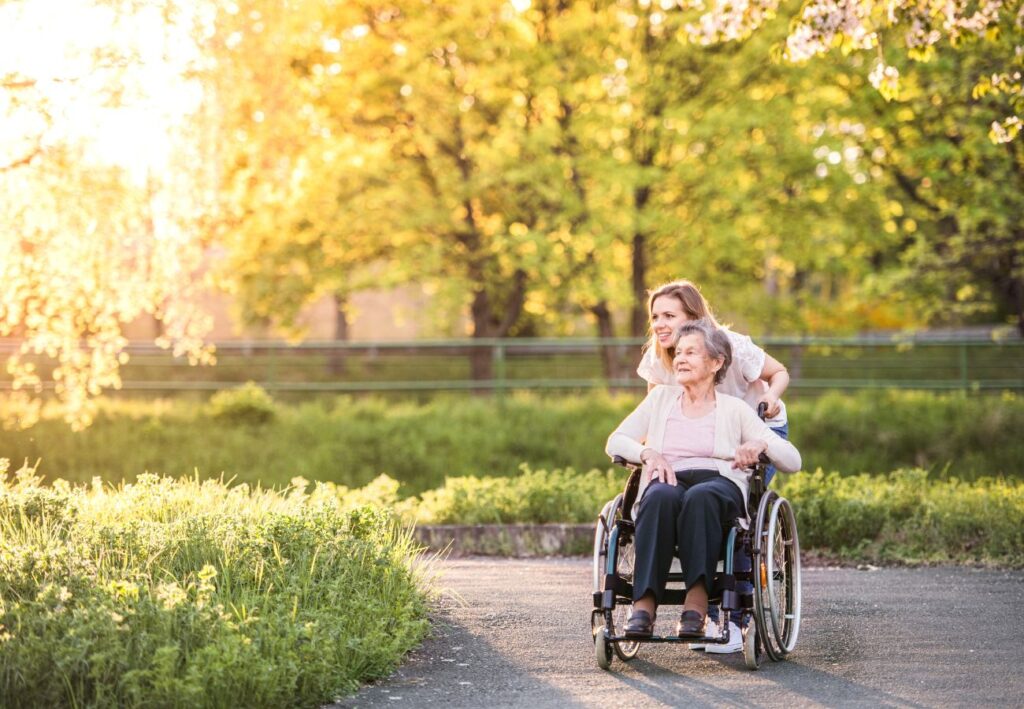
For many, the ability to move freely and confidently is something taken for granted. However, as we enter our golden years, senior mobility becomes a precious asset, directly impacting independence, quality of life, and overall senior health. The journey to maintain or improve this vital aspect of well-being is a key concern for families seeking exceptional elderly care. For those in Fortuna, California, understanding the strategies and support available for enhancing senior mobility is paramount, especially when considering an elder care home or senior care center Fortuna CA. This comprehensive article will delve into the critical importance of senior mobility, explore effective physical activities for elderly, discuss invaluable caregiver tips, and highlight how professional elderly care providers, particularly First Choice Care Home, champion active and independent living for seniors.
The Crucial Role of Senior Mobility in a Fulfilling Life
Senior mobility is far more than just the ability to walk. It encompasses balance, strength, flexibility, and endurance – all working in concert to allow older adults to perform daily tasks, engage in social activities, and maintain their independence. When senior mobility is compromised, the ripple effects can be significant, impacting not only physical capabilities but also senior mental health and overall quality of life.
Maintaining Independence and Autonomy
The ability to move freely allows seniors to perform essential activities of daily living (ADLs) such as bathing, dressing, eating, and personal hygiene without constant assistance. It also enables instrumental activities of daily living (IADLs) like cooking, shopping, and managing finances. High levels of senior mobility are directly linked to sustained independence and a greater sense of autonomy, which are vital for senior health and dignity.
Preventing Falls and Injuries
One of the most significant risks associated with declining senior mobility is an increased risk of falls. Falls can lead to serious injuries such as fractures, head trauma, and soft tissue damage, often resulting in hospitalization, prolonged recovery, and a significant decline in overall elderly health. Proactive efforts to improve balance, strength, and coordination through physical activities for elderly are critical for fall prevention.
Enhancing Social Engagement and Quality of Life
Good senior mobility allows older adults to remain socially active, participate in community events, visit friends and family, and pursue hobbies. This social engagement is vital for senior mental health, combating loneliness and isolation, which are known to contribute to depression and cognitive decline. An active social life, facilitated by robust senior mobility, directly contributes to a higher quality of life.
Supporting Overall Senior Health
Regular physical activities for elderly that maintain senior mobility have profound benefits for overall senior health. These include improved cardiovascular health, better blood sugar control, stronger immune function, and enhanced cognitive function. Mobility also aids in maintaining a healthy weight and can alleviate symptoms of chronic conditions like arthritis.
Common Challenges to Senior Mobility
Several factors can contribute to a decline in senior mobility, making targeted interventions from senior care services essential:
Age-Related Physiological Changes
As we age, natural physiological changes occur, including a decrease in muscle mass (sarcopenia), reduced bone density, stiffening of joints, and a decline in balance and coordination. These changes, while natural, can significantly impact senior mobility if not addressed proactively through physical activities for elderly.
Chronic Health Conditions
Many chronic conditions prevalent in older adults can impair mobility. These include:
- Arthritis: Joint pain and stiffness can make movement difficult and painful.
- Osteoporosis: Weakened bones increase the risk of fractures from falls.
- Diabetes: Can lead to neuropathy (nerve damage) affecting sensation and balance in the feet.
- Cardiovascular Disease: Reduced stamina and shortness of breath can limit physical activity.
- Neurological Conditions: Parkinson’s disease, stroke, or multiple sclerosis can directly affect balance, coordination, and muscle control.
- Vision and Hearing Impairments: Can contribute to balance issues and increase fall risk.
Fear of Falling
After experiencing a fall, or even witnessing one, seniors may develop a significant fear of falling. This fear often leads to reduced activity, which paradoxically weakens muscles, worsens balance, and increases the actual risk of future falls, creating a vicious cycle. Addressing this psychological barrier is crucial for restoring senior mobility.
Medication Side Effects
Certain medications can cause side effects such as dizziness, drowsiness, or impaired balance, directly impacting senior mobility and increasing fall risk. Regular medication reviews by a senior care provider are essential.
Poor Nutrition
Inadequate elderly nutrition, particularly insufficient protein and Vitamin D, can lead to muscle weakness and brittle bones, directly compromising senior mobility.
Environmental Hazards
Cluttered living spaces, poor lighting, loose rugs, and lack of grab bars can create significant fall hazards, especially for those with reduced senior mobility.
Strategies for Enhancing and Maintaining Senior Mobility
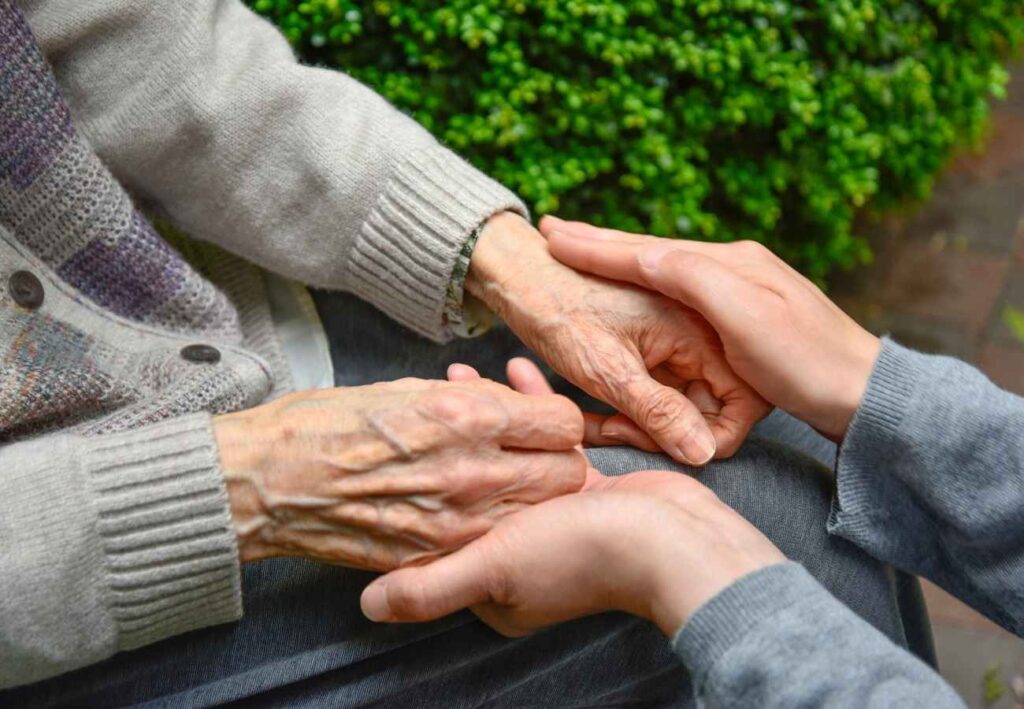
A multi-faceted approach is most effective in promoting senior mobility. This involves a combination of targeted physical activities for elderly, environmental adjustments, and comprehensive senior health management.
Targeted Physical Activities for Elderly
Regular, appropriate exercise is the most powerful tool for maintaining and improving senior mobility. The focus should be on:
- Strength Training: Using light weights, resistance bands, or bodyweight exercises to build and maintain muscle mass. Stronger muscles provide better support for joints and improve overall stability.
- Balance Exercises: Activities like Tai Chi, standing on one leg (with support), or heel-to-toe walking can significantly improve balance and reduce fall risk.
- Flexibility Exercises: Gentle stretching and yoga can improve range of motion in joints, making movement smoother and less painful.
- Endurance (Aerobic) Activities: Brisk walking, swimming, cycling, or water aerobics improve cardiovascular health and stamina, allowing seniors to engage in activities for longer periods.
It’s crucial that physical activities for elderly are tailored to individual capabilities and health conditions, ideally under the guidance of a senior care provider or physical therapist.
Assistive Devices
When necessary, assistive devices like canes, walkers, or rollators can provide crucial support, enhance stability, and increase confidence, thereby improving senior mobility and preventing falls. Proper fitting and instruction on their use are essential.
Environmental Modifications
Making the living environment safer and more accessible is vital:
- Remove Hazards: Clear clutter, secure loose rugs, and ensure pathways are unobstructed.
- Improve Lighting: Ensure adequate lighting, especially in hallways, stairwells, and bathrooms. Use nightlights.
- Install Grab Bars: In bathrooms (showers, tubs, toilets) and near stairways.
- Non-Slip Surfaces: Use non-slip mats in showers and consider non-slip flooring.
- Accessible Furniture: Ensure furniture is sturdy and easy to get in and out of.
Proactive Senior Health Management
Regular medical check-ups are essential to manage chronic conditions that impact mobility. This includes:
- Medication Review: Regularly review all medications with a doctor or pharmacist to identify potential side effects that affect balance or alertness.
- Pain Management: Effectively managing chronic pain (e.g., from arthritis) can significantly improve a senior’s willingness and ability to move.
- Vision and Hearing Checks: Corrective lenses and hearing aids can improve sensory input, which is crucial for balance and navigating environments.
- Foot Care: Regular foot care can prevent discomfort or issues that affect walking.
Optimal Elderly Nutrition
A balanced diet rich in protein, calcium, and Vitamin D supports muscle strength and bone health, directly contributing to senior mobility. Adequate hydration is also critical for overall physical function and preventing dizziness.
The Role of Professional Elderly Care in Promoting Senior Mobility
While families can implement many of these strategies at home, professional elderly care within a dedicated elderly care facility offers a structured, supportive, and expert environment specifically designed to enhance and maintain senior mobility.
Structured Programs for Physical Activities for Elderly
Elderly care facilities provide organized programs for physical activities for elderly, often led by trained professionals. These programs are tailored to various ability levels, ensuring safety and effectiveness. Group activities also provide social motivation, making exercise more enjoyable and consistent.
Expertise of a Senior Care Provider and Experienced Retirement Home Staff
A key advantage of professional elderly care is the presence of a skilled senior care provider team and experienced retirement home staff. They are trained to:
- Assess Mobility Needs: Conduct regular assessments to identify changes in mobility or areas needing improvement.
- Develop Personalized Plans: Create individualized exercise routines and mobility goals based on a resident’s specific needs and capabilities.
- Provide Assistance and Supervision: Offer hands-on support during exercises and daily activities, ensuring safety and proper technique.
- Recognize and Address Challenges: Identify early signs of decline, fear of falling, or pain, and implement appropriate interventions.
Specialized Approaches in Memory Care Facilities
For individuals in memory care facilities, maintaining senior mobility requires specialized strategies. Professional memory care services integrate movement into daily routines and therapeutic activities, often using familiar movements or music to encourage participation. Secure outdoor spaces allow for safe walking and exploration, which is vital for both physical and senior mental health.
Safe and Accessible Environments
Elderly care facilities are purpose-built with features that enhance senior mobility and reduce fall risk. This includes wide hallways, grab bars, non-slip flooring, accessible bathrooms, and minimal clutter. The environment itself becomes a tool for promoting independence.
Integrated Holistic Care
In a senior care center, senior mobility is not treated in isolation. It’s part of a holistic approach that includes optimized elderly nutrition, robust senior health management, and stimulating social and cognitive activities. This integrated support system maximizes a senior’s potential for active and independent living.

Caregiver Tips for Supporting Senior Mobility When Considering Professional Care
If you’re a family caregiver supporting senior mobility at home and considering professional elderly care, here are some caregiver tips:
- Observe and Document: Keep a log of your loved one’s mobility challenges, any falls, and their current activity levels. This information will be invaluable when discussing needs with senior care services.
- Discuss Goals: Talk with your loved one about their desires for maintaining independence and mobility. Their input is crucial in the decision-making process.
- Research Facilities’ Mobility Programs: When evaluating elderly care facilities in Fortuna, specifically ask about their physical activities for elderly programs, the qualifications of their staff in supporting mobility, and their fall prevention strategies.
- Ask About Assistive Devices: Inquire how the elder care home integrates and supports the use of assistive devices.
- Consider a Tour: A tour of a senior care center Fortuna CA like First Choice Care Home will allow you to see their facilities and observe residents engaging in activities.
First Choice Care Home: Championing Senior Mobility in Fortuna
When it comes to providing the best senior care services Fortuna has to offer, First Choice Care Home stands as a leader in promoting and enhancing senior mobility. We understand that active living is key to a fulfilling life, and our professional elderly care approach is designed to empower every resident to move with confidence and independence.
Our Dynamic Approach to Physical Activities for Elderly
At First Choice Care Home, we offer a diverse and engaging array of physical activities for elderly residents. Our programs are tailored to various fitness levels and interests, ensuring that everyone can participate safely and enjoyably. This includes:
- Daily Gentle Exercise Classes: Focusing on stretching, balance, and light strength training.
- Walking Clubs: Encouraging outdoor movement in our secure and beautiful grounds.
- Chair Exercises: Ensuring residents with limited senior mobility can still engage in beneficial movement.
- Therapeutic Activities: Incorporating movement into fun, interactive games and social events.
- Access to Rehabilitation Support: Facilitating connections with physical therapists as needed to address specific mobility challenges.
Expert Senior Care Provider and Experienced Retirement Home Staff
Our team of experienced retirement home staff are highly trained in supporting senior mobility. They are adept at assessing individual needs, developing personalized exercise plans, and providing the right level of assistance and encouragement. Their keen observation skills allow for early detection of any changes, ensuring proactive adjustments to care plans. This expertise is a hallmark of our professional elderly care.
A Safe and Enabling Environment
Our elder care home Fortuna is designed to foster independence and safety. Wide, clear pathways, ample lighting, strategically placed grab bars, and non-slip surfaces throughout our elderly care facility minimize fall risks and encourage residents to move about freely. This supportive environment is crucial for building confidence and enhancing senior mobility.
Integrated Holistic Support for Senior Health
At First Choice Care Home, senior mobility is seamlessly integrated into our comprehensive senior care services. We ensure residents receive optimal elderly nutrition to fuel their bodies, manage their senior health conditions proactively, and engage in social and cognitive activities that boost their senior mental health. This integrated approach leads to truly holistic well-being.
Choose First Choice Care Home for Empowered Senior Mobility in Fortuna
The choice of an elderly care facility is a profound one, and selecting a partner dedicated to enhancing senior mobility is essential for a vibrant later life. At First Choice Care Home in Fortuna, we are committed to providing the best senior care services Fortuna has to offer, empowering your loved one to move with confidence, maintain their independence, and enjoy a fulfilling life.
Don’t let concerns about senior mobility limit your loved one’s potential. Let our professional elderly care and experienced retirement home staff provide the compassionate, expert support they deserve.
Contact us today at (707) 725-7899 or visit us at 456 10th Street, Fortuna, CA 95540, to schedule a personal tour. Discover how First Choice Care Home can be your partner in ensuring your loved one enjoys enhanced senior mobility and a truly active, independent, and joyful golden age.
Share this article to:
You May Also Like
Activities and Programs Offered in Elder Care Home Fortuna
Elder care homes offer a range of activities and programs to help their residents. Some of them...
Guiding Your Loved One to a Good Elder Care Home Fortuna
Embracing a New Chapter: Navigating the Transition to an Elder Care Home with Confidence The decision to…
Choosing the Right Elder Care Home & Senior Care in Fortuna
Finding the Ideal Sanctuary: Navigating the World of Elder Care Homes for Your Loved One The decision…